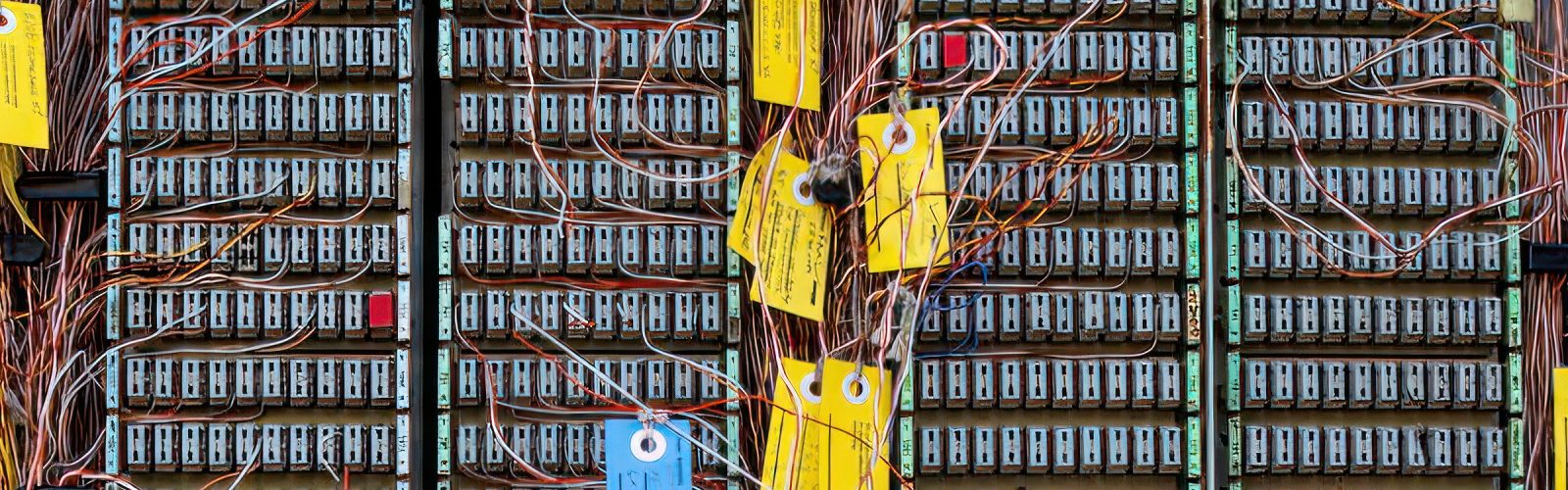
On September 9, 2026, Verizon companies – Verizon Maryland LLC among them – filed applications with the FCC to discontinue copper-based phone service in portions of several states, with proposed effective dates beginning on or after November 30, 2026, pending FCC approval. If your building still has analog copper lines, the clock on them is now a real clock.
What did Verizon actually file?
A Section 214 application asks the FCC for permission to discontinue a service. The September 2026 filings cover copper-based voice service for portions of multiple states including Maryland and the District of Columbia – reporting around the filings puts the affected footprint in the hundreds of thousands of locations. This follows the FCC’s March 2026 order that streamlined how carriers retire copper, including shorter notice periods.
Two things are worth saying plainly. First, this is a proposal with a process – the FCC reviews these applications, and carriers generally must have a replacement service available before copper is cut. Second, the direction is one-way. Every filing in the last two years has moved copper closer to the exit, never further from it.
Which systems in a building still ride on copper?
The phone on a desk usually left copper years ago. What stayed behind are the lines nobody thinks about until they fail:
- Fire alarm communicators – code requires them to reach the monitoring center, and many still dial out over copper
- Elevator emergency phones – the line behind the button that has to work during a power cut
- Fax lines in medical, legal and government offices
- Alarm panels, gate and door phones, and the occasional point-of-sale or utility-metering line
- That one mystery line on the bill that nobody can name – which is sometimes the most important one in the building
What should a Maryland business do now?
Three steps, in order. First, inventory: walk the phone bill line by line and match every circuit to a device in the building. Second, watch the mail – carriers send discontinuance notices to the address on the account, which for many buildings is a billing office that has never seen the elevator phone. Third, plan replacements for the code-required lines first: fire alarm and elevator circuits have their own rules and inspectors ask about them: NFPA 72 governs fire alarm communications and ASME A17.1 covers elevator emergency communications.
The good news: replacements exist for every one of these lines – cellular and LTE-based units for alarm and elevator circuits, analog adapters that let existing equipment keep working, and in many buildings the wiring already in the walls can carry more than anyone assumed. The point is not to panic; it is to know what you have before the notice arrives, not after.
Frequently asked questions
Is Verizon shutting off my phone line on November 30, 2026?
Not automatically. November 30, 2026 is the earliest proposed effective date in the September 2026 filings, which remain subject to FCC review, and carriers generally must make a replacement service available before discontinuing. But affected lines will receive notices, and waiting for the notice to start planning is the expensive way to do it.
Do fire alarm and elevator phone lines have special requirements?
Yes. Fire alarm communications fall under NFPA 72 and elevator emergency phones under ASME A17.1, and both must keep working during power outages. Replacing them is routine – cellular communicators and LTE units are made for exactly this – but the replacement has to meet code, which is why these lines should be planned first, not last.
How do I find out which of my lines are copper?
Match the phone bill against the building. Every billed circuit should correspond to a device you can point at – a fire panel, an elevator, a fax machine, a gate. Anything you cannot match is worth a call to the carrier. A wiring and line survey does the same job faster, with the findings in writing.
Want the inventory done for you?
CTS has been replacing copper services across Maryland, DC, Virginia and Delaware for years – fire alarm and elevator circuits included, with code requirements handled. We will survey what your building actually has, tell you what is affected and what is not, and put it in writing. No cost, no obligation. Call (410) 850-4848 or email sales@ctsmd.us. If you want the background on the replacement options first, our guide to replacing POTS lines without rewiring your building covers them.